












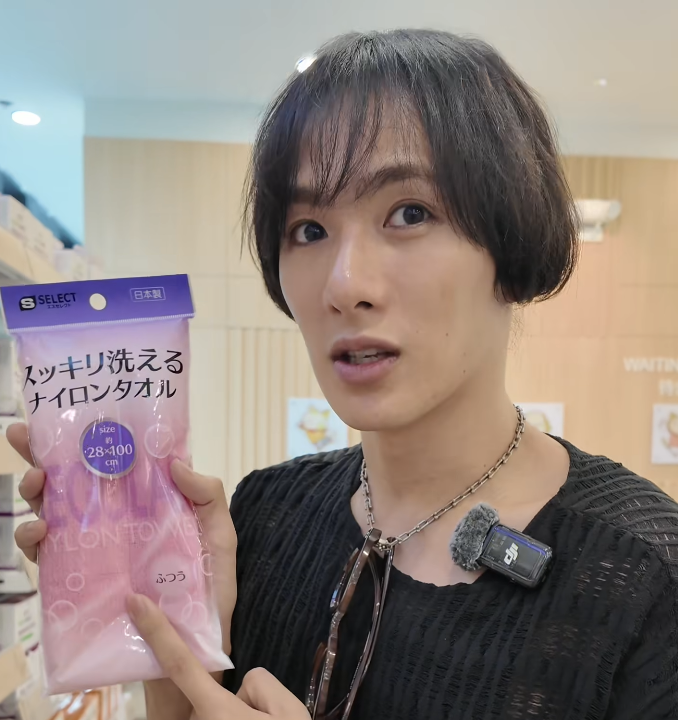
Rio Mizu walked into a pharmacy in Makati and, for a moment, forgot where he was. The shelves were lined with products labeled in kanji and hiragana. Staff greeted customers with a cheerful "Irasshaimase!" Wooden interiors, neatly arranged displays and rows of unfamiliar products felt remarkably familiar to the Japanese content creator, who now calls Manila home. "Watashi wa Nihon ni imasen," he laughed. "I'm not in Japan." Yet it certainly looked and felt like it.
Instead of heading for the medicines, Rio wandered through the aisles the way he would back home. He picked up a nylon bath towel, examined a jar of sake cream, admired cherry blossom face masks and paused over products many shoppers might otherwise overlook. What interested him was not simply what they did, but the stories behind them. A bath towel reflected Japan's bathing culture. Sake-inspired skincare drew from centuries-old fermentation traditions. Even products whose labels remained entirely in Japanese became part of the appeal, carrying the quiet reassurance that they had come straight from Japan.
His reaction captured something many Filipinos have discovered during trips to Tokyo, Osaka or Fukuoka. Japanese neighborhood drugstores are no longer just places to buy medicine. They have become destinations where the fun comes from browsing, discovering clever everyday products and returning home with unexpected finds.

Lifestyle creator Miss Bernadeth found herself responding in much the same way. Anyone who has visited Japan knows the familiar promise of stepping into a drugstore just for a few minutes before emerging nearly an hour later with face masks, tea, snacks and small everyday items they never intended to buy. The appeal has never been about expensive purchases. More often, it is the inexpensive, practical products that become favorites long after the trip ends.
That same sense of discovery is what St. Joseph Drug Powered by SUGI hopes to recreate at One Ayala. This flagship storefront represents a major strategic milestone for Ayala Healthcare Holdings Incorporated, which has partnered with Nagoya-based Sugi Holdings Company to transform traditional pharmaceutical retail in the Philippines. Rather than simply stocking imported products, the store recreates the precise atmosphere of a Japanese drugstore. Warm wood finishes, bilingual Japanese-English signage, tester stations and "Latest Picks" displays invite customers to slow down and explore instead of rushing in with a strict shopping list.
This layout is intentionally designed to reflect the Japanese concept of genki, a philosophy centered on nurturing daily vitality, energy and proactive well-being. By embedding this principle into the physical space, the store encourages an environment where health is maintained through daily self-care rather than just reactive treatment. The experience feels less like running a medical errand and more like wandering into one of Japan's neighborhood pharmacies, where every visit offers something new to discover.
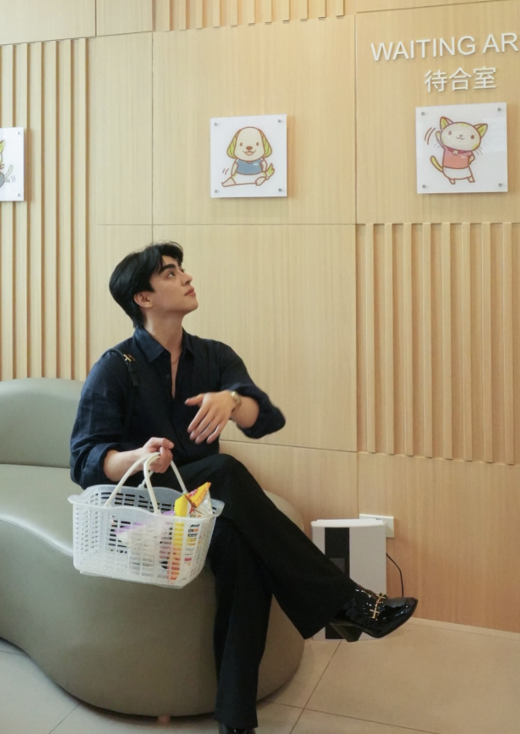
For content creator Gab Gutierrez, however, the biggest surprise was that the experience no longer required a passport. His message was simple: there is no need to fly to Japan for many of the beauty, wellness and everyday products Filipinos often ask friends to bring home. They are now available much closer to home. Whether consumers are searching for new skincare products, functional snacks, wellness supplements or practical household essentials, S-Select brings a slice of Japan's renowned drugstore culture to Philippine shelves, meaning to experience the genki lifestyle, a plane ticket is no longer required.
