












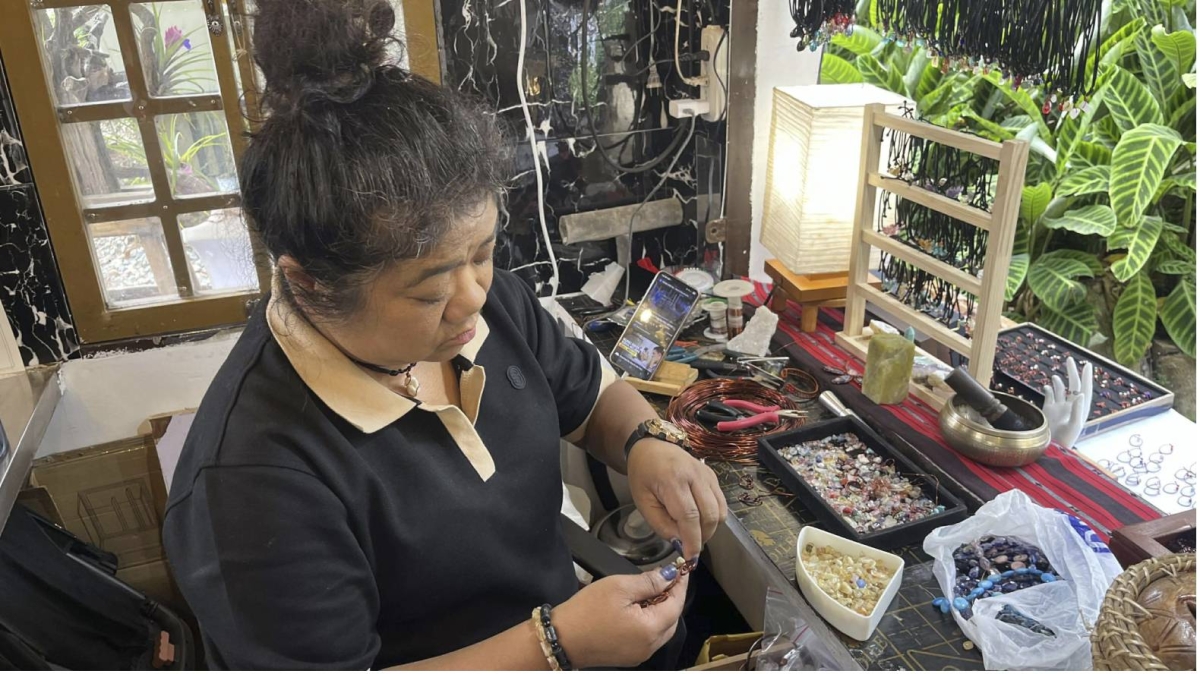
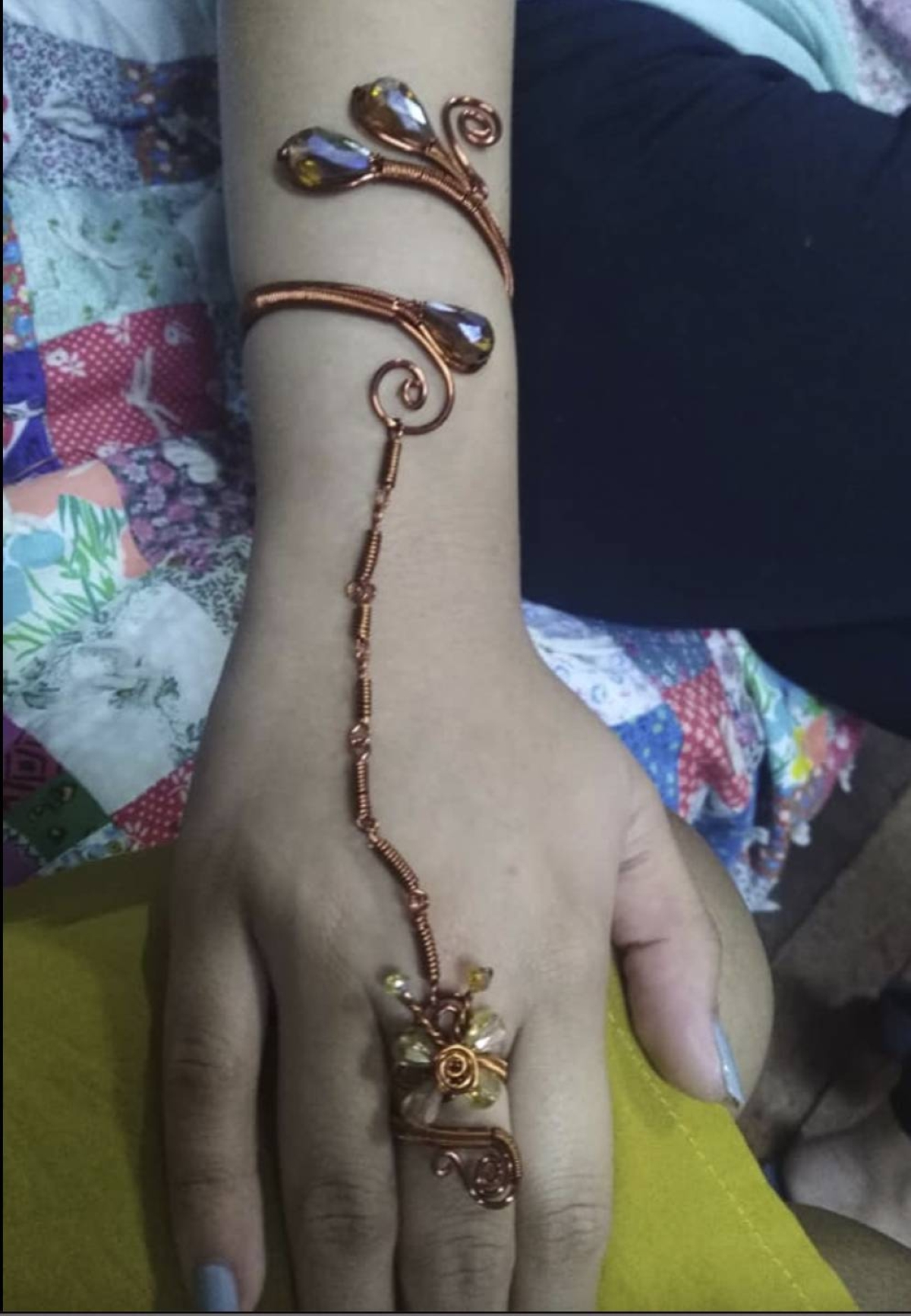
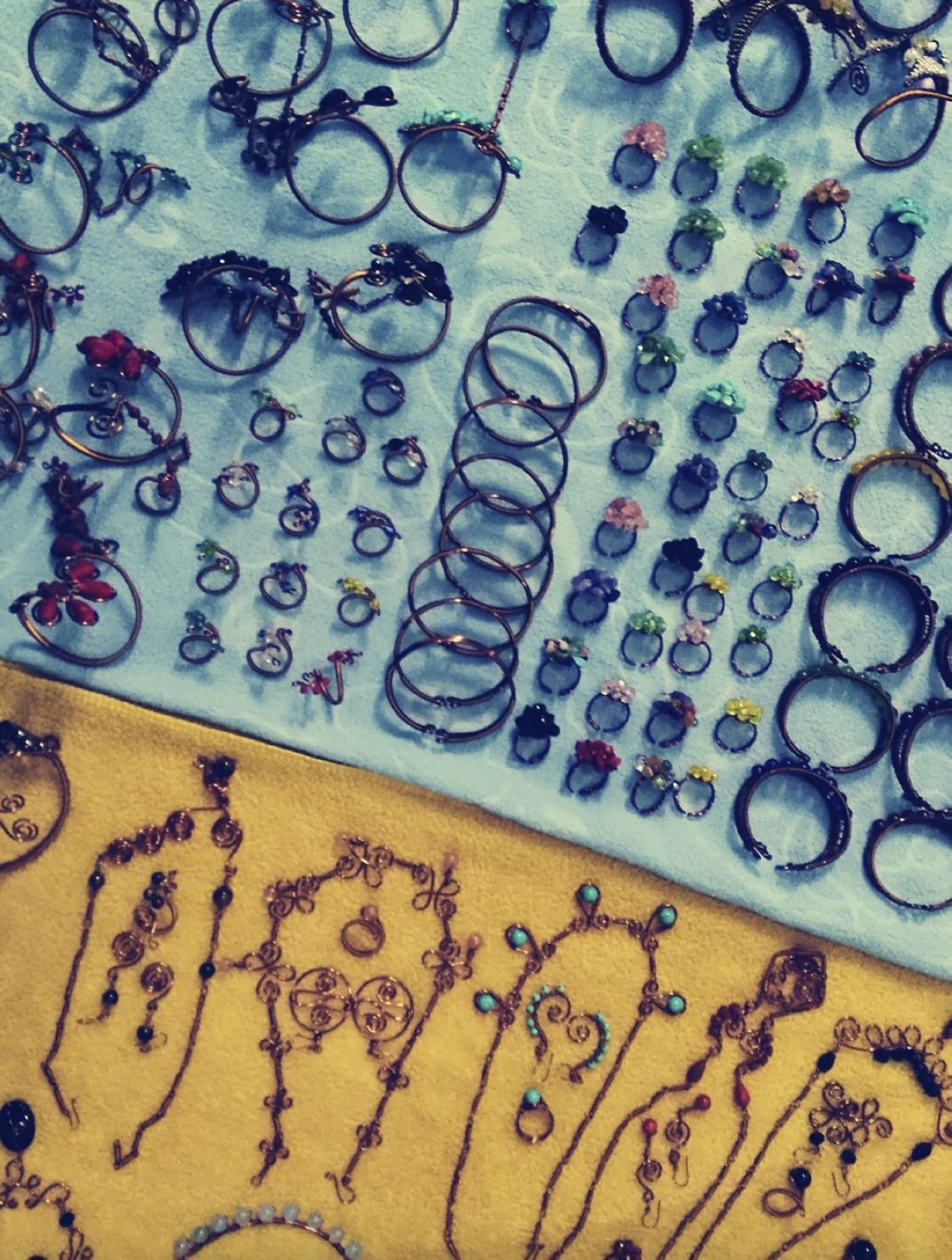
CREATING copper accessories was just a hobby for artist Fely Ilao of Baguio City, until it evolved into her source of livelihood.
Ilao has been crafting copper accessories for over 15 years.
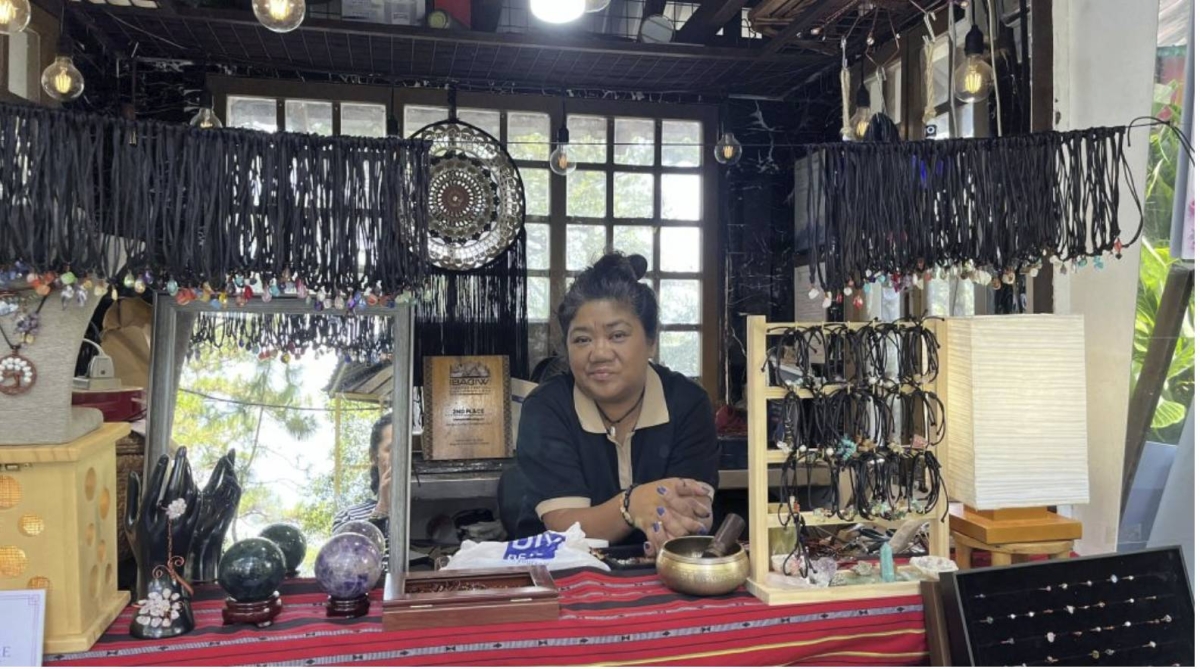
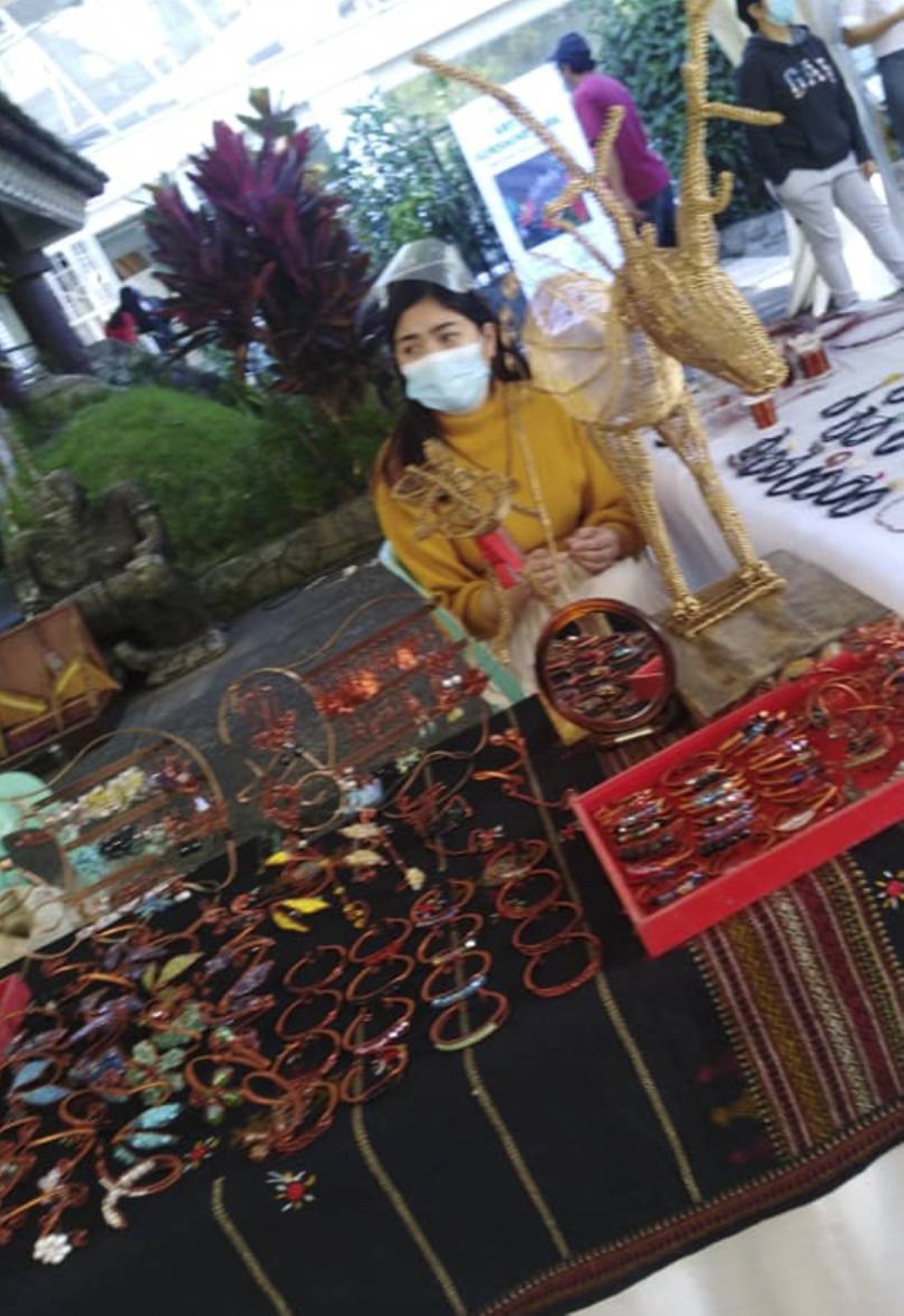
From selling accessories on Session Road, she now sells in two locations: at the EcoVibe Street Market in Camp John Hay and Pansigshan Village at Dominican Hill.
“Actually, this started in 2011. But we weren’t here back then. It was just a hobby for me. I would make earrings, and then my husband would sell them. Many people bought them; crowds would swarm, especially students. They’ve been swarming since 2011. Until now, that business is still alive,” she said.
Through hard work and perseverance, their business continues to be patronized today, supporting their daily needs.
She added that this business put her five children through school.
Now, her children have also taken up copper artistry.
“I eventually taught them... I’m old now, a senior citizen. I’m passing the craft on to them so that even if they don’t have jobs, they have this,” Ilao shared.
Her eldest, Renz, learned how to make accessories like rings. He is also skilled at drawing, and his work is sold at their stall in EcoVibe.
“I worked in an office for quite a while, from 2010 to 2019. But during that time, this family business already existed. Remember when the pandemic hit in 2020? I lost my job. I realized the family business was right here. So, after the pandemic, I joined the business. I’ve been part of it for five years now,” Renz said.
Ilao’s hobby has also garnered recognition — she won 2nd runner-up in a crown-making contest at the Ibagiw Creative Festival 2021, a craft competition launched by the Department of Trade and Industry (DTI)-Cordillera Administrative Region.
She noted that the government, especially the DTI, has been a big help to them. Artisans like her were also provided with spaces at Dominican Hill.
In her more than 15 years of making copper accessories, Ilao serves as a great example for women — a mother with noble intentions not just for herself, but for her family.
“What I can say to women is: don’t give up. Because we are the ones who shape our children’s stories. They look at us as role models. Since you are the mother, you are the role model. They see your hard work, perseverance, patience — everything. Children see that in a mother. It reflects on them as they grow up; your qualities as a mother reflect in them,” Ilao said.
Baguio City: A model for creative governance
Baguio City’s transformation from a summer retreat into the Philippines’ first Unesco Creative City for Crafts and Folk Art wasn’t accidental; it is the result of a deliberate, multi-layered support system designed to turn traditional “hobbies” into sustainable global exports.
The DTI’s ‘One Town, One Product’ (OTOP)
The Department of Trade and Industry (DTI) serves as the primary engine for scaling local artisans. Through the OTOP Next Gen program, weavers, silver-smiths and woodcarvers receive specialized training in product development and intellectual property. By helping artists like Fely Ilao transition from street vending to registered business ownership, the DTI ensures that “Baguio-made” remains a mark of quality rather than just a souvenir.
2. Dedicated creative hubs Infrastructure is the city’s most visible commitment. The conversion of the Dominican Hill Retreat House into a dedicated heritage and creative site provides physical stalls for artisans who otherwise couldn’t afford commercial rent. Similarly, the Ibagiw Creative Festival, funded by the city and the DTI, acts as a high-stakes marketplace and competition, elevating local crafts to the status of fine art.
3. Institutionalizing the ‘creative economy’ Baguio has moved beyond temporary fairs by passing the Baguio Creative City Ordinance. This policy mandates: Reduced fees for registered creative enterprises, inclusion of local crafts in official government gift-giving and international trade missions, and funding for “Master-to-Apprentice” programs to ensure that Cordilleran weaving and metalworking don’t die out with the older generation.
By treating creativity as a formal economic sector rather than a cultural footnote, Baguio has created a blueprint for how local governments can protect heritage while fueling modern growth.
