












TO Filipinos, the sea is more than a body of water. It is a source of sustenance, a highway for commerce, and an ever-present neighbor. We are a nation of islands shaped and connected by the waters around us.
Yet, as the Netflix film “Surviving Hurricane Otis” starkly illustrates, that closeness can also expose us to danger.
Based on a true story, the film follows two half-brothers caught at sea as Hurricane Otis intensifies off the coast of Acapulco, Mexico. Though set far from the Philippines, their struggle offers a disturbing reflection of life in a country regularly threatened by powerful storms.
The sea’s dual role as provider and source of danger is part of Filipino life. In coastal communities, it shapes the rhythm of the day, from the dawn arrival of fishing boats to the evening drying of nets. Families depend on its bounty while living with the knowledge that it can also destroy homes and livelihoods.
“Surviving Hurricane Otis” captures this tension. It strips away the romantic image of coastal living and reminds us how quickly familiar waters can turn dangerous.
Perhaps most frightening is the film’s depiction of a rapidly intensifying storm. Filipinos have developed a kind of storm literacy: Many know how to board up windows, secure livestock, and prepare emergency supplies.
But experience has its limits when a storm strengthens so quickly that communities have little time to respond. Otis presents a terrifying situation in which a tropical storm becomes a Category 5 hurricane, leaving those in its path facing a danger far greater than they might have expected.
For Filipinos accustomed to typhoon season, that is an unsettling prospect. It raises a question we cannot afford to ignore: Are our warnings, evacuation plans, and communities prepared for storms that change with such speed?
The film also invites reflection on the tension between individual survival and bayanihan, the Filipino spirit of collective action. In a disaster, protecting one’s family is an immediate instinct. Yet survival can also depend on the willingness of others to help.
We have seen this in communities where neighbors clear debris, share food, and shelter displaced families. Bayanihan is more than a comforting idea; it is a source of strength when people have nowhere else to turn.
But we should not have to rely on it as our only safety net.
The Philippines ranked first among 193 countries in the 2025 WorldRiskIndex, with a score of 46.56. The ranking reflects not only our exposure to hazards but also our vulnerability and capacity to cope with them.
The distinction matters. Geography places many communities in harm’s way, but poverty, inadequate infrastructure, and limited resources can make disasters even more devastating. Families with fewer means often have the least ability to leave unsafe areas or rebuild after a storm.
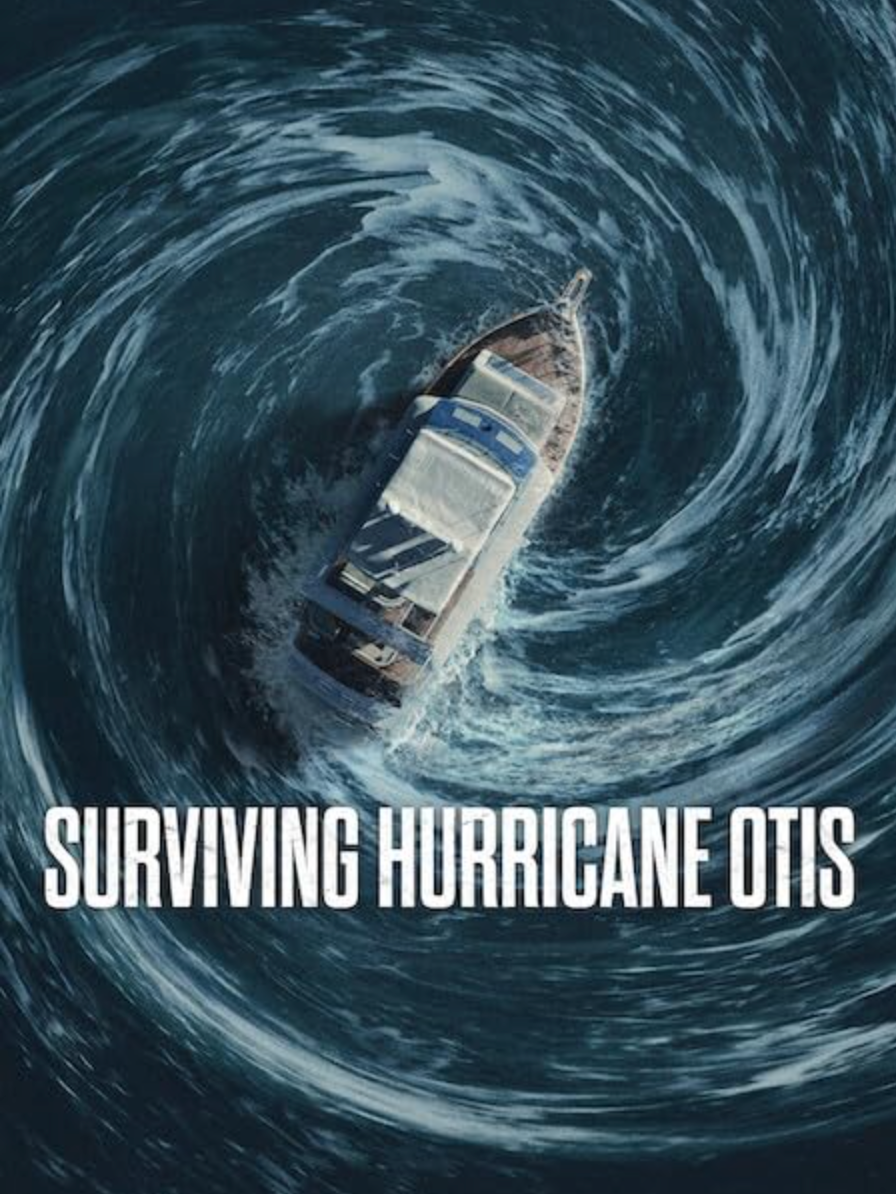
Viewed through this lens, “Surviving Hurricane Otis” is not simply a story about enduring a powerful hurricane. It is also an invitation to consider why some people face greater danger than others — and what can be done before the next disaster strikes.
Personal resilience is admirable, but it cannot substitute for effective public action. Communities need reliable warnings, safe evacuation centers, sound urban planning, and infrastructure built to withstand extreme weather. They also need long-term support that puts the most vulnerable people first.
Ultimately, the film challenges us to look beyond the familiar praise for Filipino resilience. We should honor the courage of those who survive disasters without accepting suffering as inevitable.
We cannot continue to be resilient only because we have no choice. We must strive to become resilient by design — and learn the lessons of each storm before the next one arrives.
LUDWIG FEDERIGAN
The author is the founder and chief strategic advisor of the Young Environmental Forum and a nonresident fellow of Stratbase Institute. He can be reached at [email protected]
