











Read this in The Manila Times digital edition.
STUDY hard, earn a degree, find a good job, and build a better life.
For many young people, that formula for success is becoming harder to believe. A diploma does not always lead to decent work.
Everyday expenses keep climbing.
Meanwhile, social media offers a steady stream of images of powerful families enjoying privileges that ordinary citizens can barely imagine.
What happens when frustration turns into a shared demand for change? In the essay, “Why Gen Z is rising,” published in January in the Johns Hopkins University Press’ Journal of Democracy, Harvard’s John F. Kennedy School of Government professor Erica Chenoweth and Harvard Kennedy School’s Ash Center for Democratic Governance and Innovation lead research fellow Matthew Cebul examine the youth protests that swept several countries in 2025. Their argument challenges a familiar stereotype: Young people may be disappointed with politics, but it does not mean they are unwilling to act.
From Asia to Africa and Latin America, young protesters have demanded accountability from leaders they believe have failed them. Some movements have forced concessions or helped remove governments. Others have faced arrests, violence and uncertain futures.
For students aware of these events, the essay offers encouragement and a difficult lesson: Getting people into the streets is only the beginning.
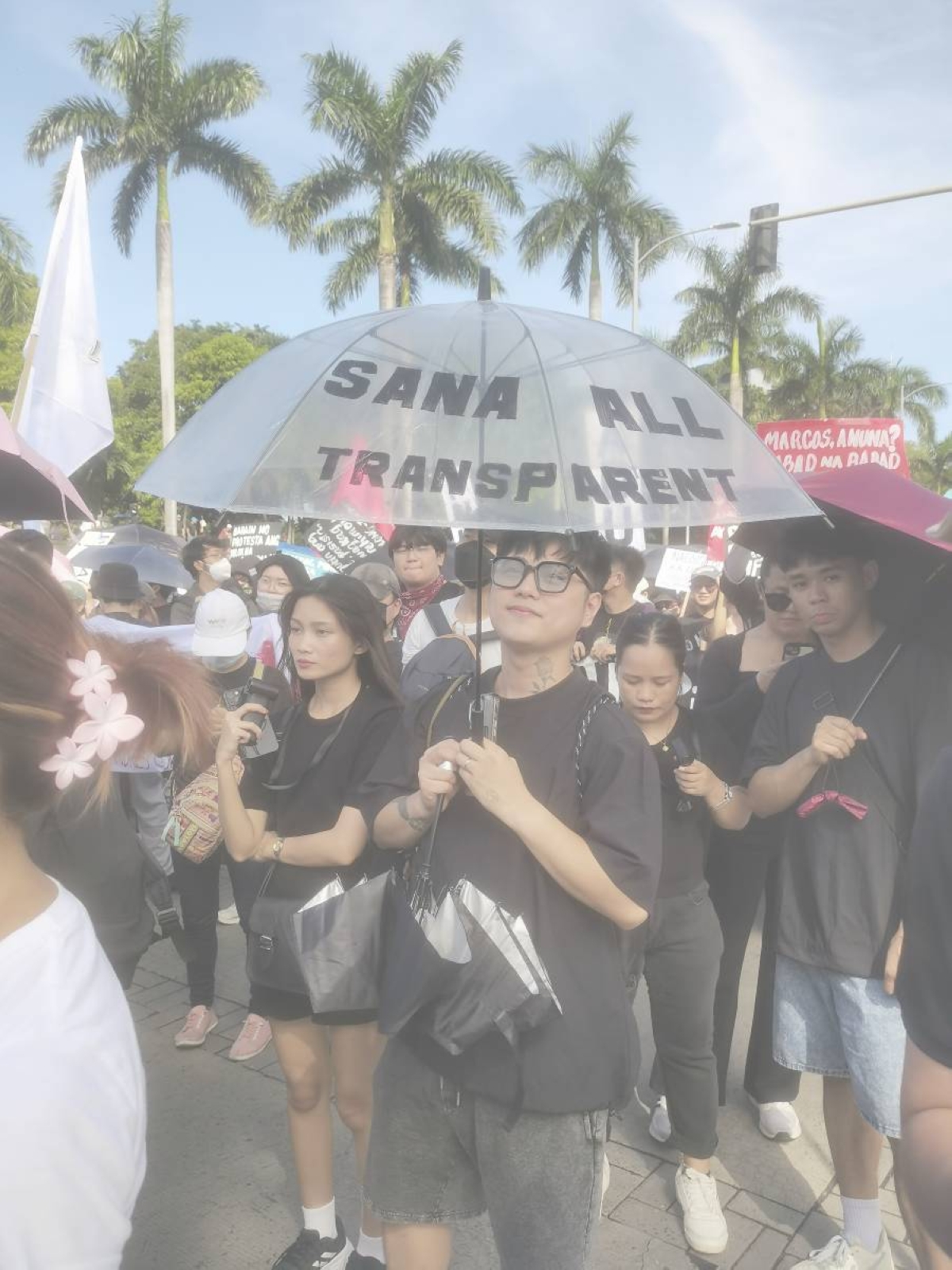
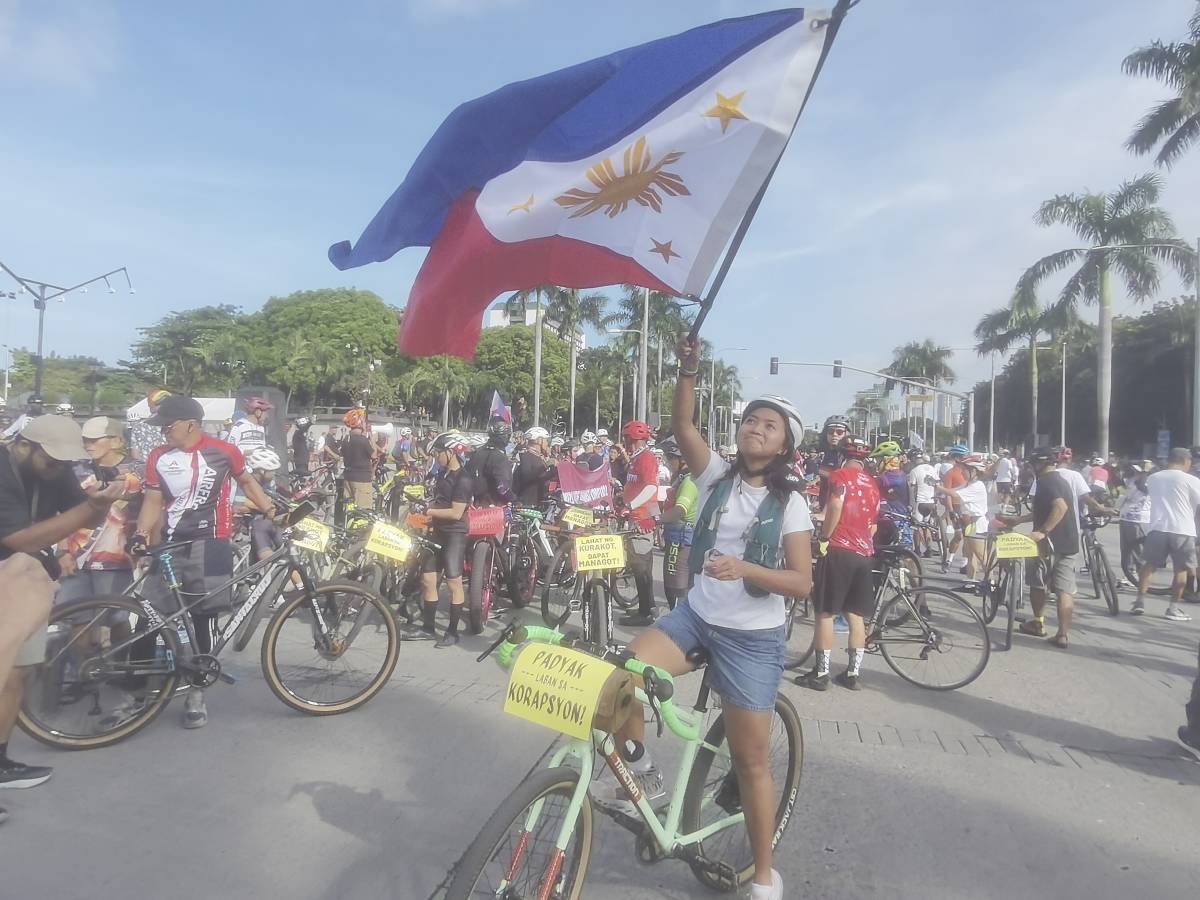
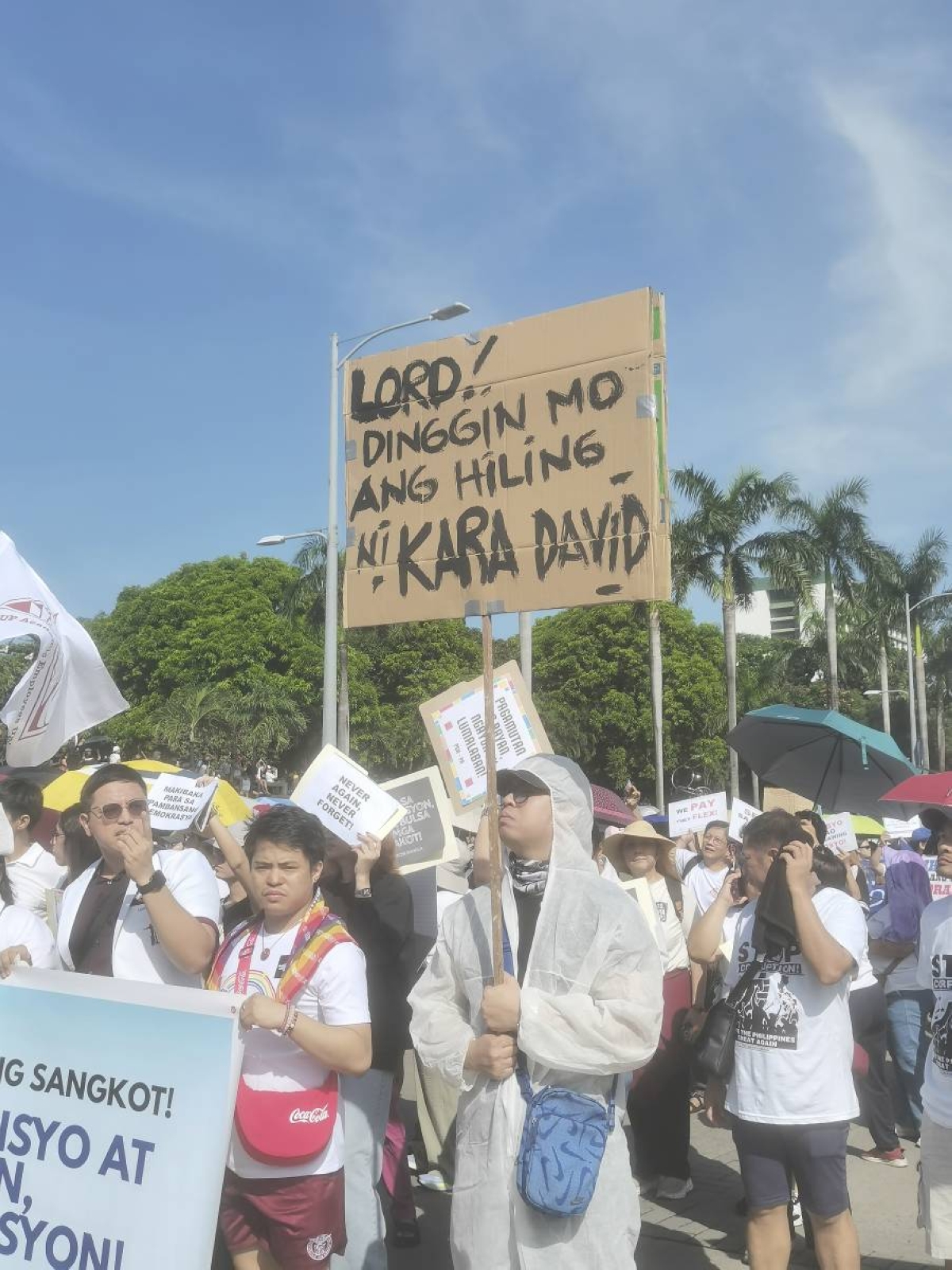
Anger
Jobs, education, and the cost of living help explain young people’s anger. But Chenoweth and Cebul identify another powerful force connecting these movements: corruption.
In Nepal, images of politicians’ children displaying expensive gifts fueled outrage. In Indonesia, lawmakers’ generous housing allowances enraged citizens struggling on much smaller incomes.
In Serbia, young people mobilized after the deadly collapse of a railway station canopy in Novi Sad in 2024. Protesters blamed corruption and negligence for the disaster.
The details differed, but the underlying question was similar: Why should ordinary people bear the consequences of a system that rewards those already in power? For campus readers, the connection is easy to understand. Corruption can mean classrooms without enough equipment, public hospitals with inadequate services, or a longer, more expensive commute because infrastructure fails.
It is a problem that can shape a student’s chances long before graduation.
Today’s young activists can watch events abroad, exchange ideas, and organize through digital platforms.
Even popular culture travels with them. The authors describe protesters in different countries adopting versions of the Straw Hat pirates’ flag from the Japanese manga “One Piece.” It became a shared symbol of resistance to corrupt rulers.
Such symbols help people recognize a common struggle across borders. But youth participation in protest began long before smartphones.
The essay cites research finding that 80 percent of nonviolent campaigns seeking to remove national leaders or achieve self-determination between 1990 and 2020 involved substantial youth involvement.
The authors mention that Filipinos have their own example: The youth led the second People Power uprising that removed thenpresident Joseph Estrada in 2001.
Youth participation can give movements energy, creativity and staying power. Students can build connections across schools and communities. Young organizers may introduce tactics that established groups have overlooked. They can also help bring together people divided by religion, class or political loyalties.
Research discussed in the essay suggests that nonviolent campaigns with extensive youth participation are more likely to succeed than those with very little.
This finding comes with a serious warning. Youth movements also tend to face harsher repression, even when young participants are no more likely to use violence themselves.
Removing a leader does not guarantee better lives. The authors cite research finding no clear link between youth participation in protests and lower youth unemployment afterward. A government can fall much faster than an economy can produce enough decent jobs.
Chenoweth and Cebul stress the importance of keeping movements peaceful. Nonviolent action can attract broader support, including people who want reform but fear disorder. Violence can drive potential supporters away and give authorities an excuse to intensify repression.
Maintaining discipline is difficult, especially when security forces respond violently, or other groups take over demonstrations.
Another challenge
Organization presents another challenge. Many youth movements avoid a single leader and rely on networks instead. This can make them quick to mobilize and difficult to silence.
But it can also leave practical questions unanswered.
Who speaks for the movement? Who negotiates? Who ensures that agreements reflect what participants actually want? These questions become urgent when protests open the door to political change.
The essay also cautions against assuming that every youth protest is primarily a campaign for democracy.
Some participants want better hospitals and schools. Others demand affordable services, jobs, or an end to corruption.
Their immediate concern is whether government works for them.
The democratic promise depends partly on what happens next: whether movements defend rights, include different communities, and hold replacement leaders accountable.
For students, it points toward forms of participation that continue beyond a rally — examining public budgets, joining civic organizations, asking candidates specific questions, and checking whether promises become policy.
It also places responsibility on political institutions. Leaders and parties must give young people meaningful opportunities to help shape decisions.
The essay’s strongest message is that lasting change requires patience, organization, and continued involvement.
Gen Z has shown that disappointment can bring people together. The harder task is turning that shared anger into institutions that listen, services that work, and opportunities that last.
For a generation preparing to inherit the consequences of today’s decisions, the work has already begun.
